iXM-SPL150 Space Imaging
Phase One space robust camera
iXM-SPL150 Phase One space robust camera
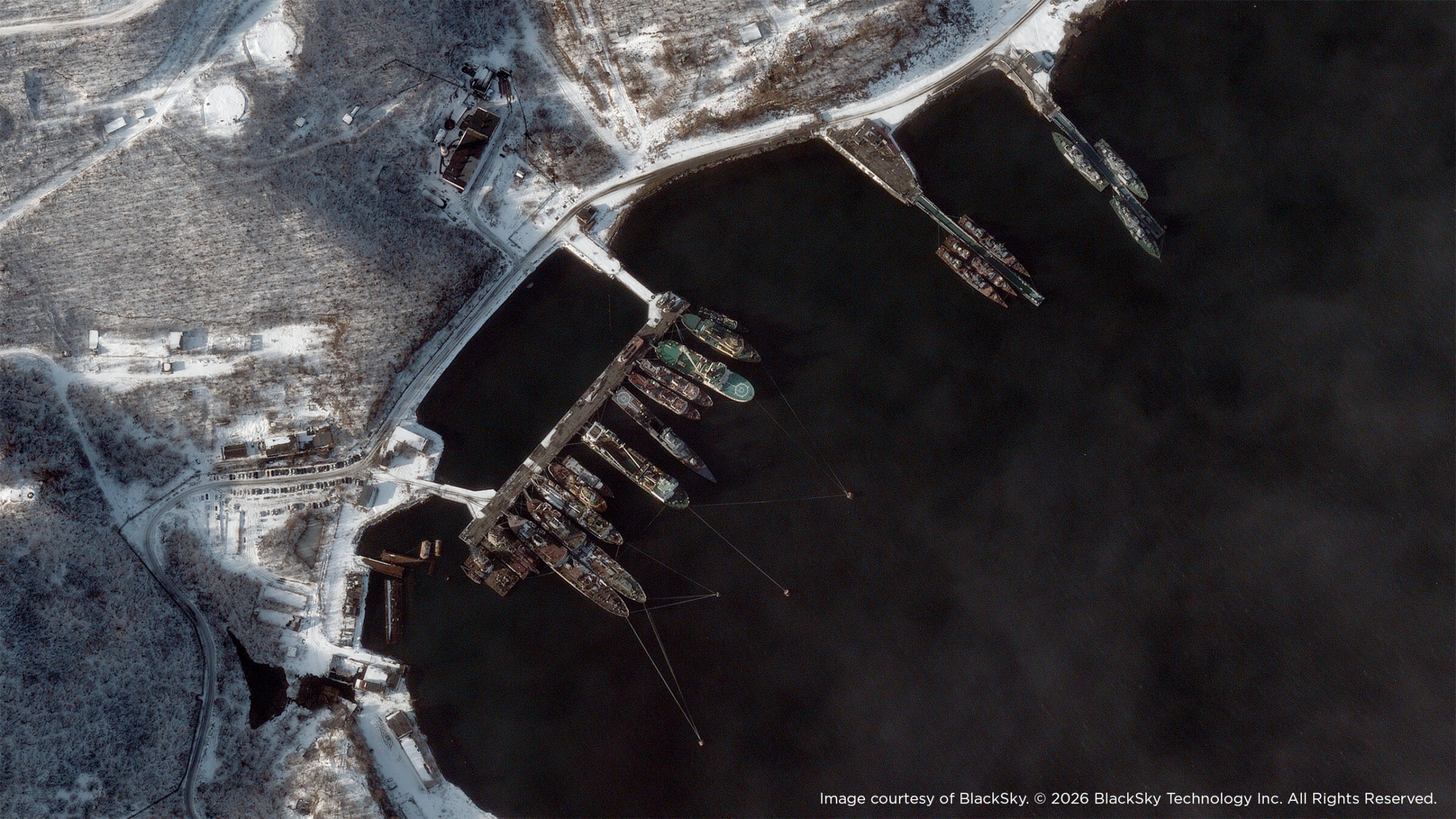
The iXM-SPL150 is the ruggedized, space-qualified evolution of the iXM-RS150 – one of Phase One’s most widely deployed aerial cameras, with thousands of units in service with leading OEM integrators worldwide. Built entirely from commercial off-the-shelf (COTS) components and successfully launched to Low Earth Orbit in June 2022, confirming its status as a fully flight-proven Earth Observation camera.
Key benefits
Collect more data in every frame
- 14,204 × 10,652 pixels captured simultaneously across the full sensor area
- 3.76 µm BSI pixel pitch enables compact, cost-effective telescope optics at typical LEO altitudes
- 2D matrix snapshot exposures eliminate scanning artefacts for geometrically clean imagery
- Up to 4 fps acquisition rate enables rapid revisit and near-real-time tasking
- 83 dB dynamic range and 3.4 e⁻ read noise deliver high image quality across varied lighting conditions
High resolution, 150MP Snapshot matrix camera
- Ruggedized evolution of the golden benchmark iXM-RS150 aerial imaging platform
- TRL 9 achieved in June 2022 – the fastest available path to flight-proven space imaging
- Tens of units scheduled for launch 2026/2027 across multiple mission
- Proposed for LEO missions of 3+ years
- Builds on a base of thousands of deployed units in demanding aerospace environments
Straightforward integration
- Sensor and control electronics integrated in a single, compact 90 × 90 × 73 mm housing
- SFP+ (10GigE) and USB 3.0 interfaces for flexible data and control connectivity
- Standard mechanical interfaces support third-party telescope integration
- Phase One SDK over Linux enables rapid software integration and remote configuration
- Cold plate thermal interface simplifies integration with spacecraft thermal management
-
Collect more data in every frame
Collect more data in every frame
- 14,204 × 10,652 pixels captured simultaneously across the full sensor area
- 3.76 µm BSI pixel pitch enables compact, cost-effective telescope optics at typical LEO altitudes
- 2D matrix snapshot exposures eliminate scanning artefacts for geometrically clean imagery
- Up to 4 fps acquisition rate enables rapid revisit and near-real-time tasking
- 83 dB dynamic range and 3.4 e⁻ read noise deliver high image quality across varied lighting conditions
-
Proven for use in Low Earth Orbit
High resolution, 150MP Snapshot matrix camera
- Ruggedized evolution of the golden benchmark iXM-RS150 aerial imaging platform
- TRL 9 achieved in June 2022 – the fastest available path to flight-proven space imaging
- Tens of units scheduled for launch 2026/2027 across multiple mission
- Proposed for LEO missions of 3+ years
- Builds on a base of thousands of deployed units in demanding aerospace environments
-
Straightforward integration
Straightforward integration
- Sensor and control electronics integrated in a single, compact 90 × 90 × 73 mm housing
- SFP+ (10GigE) and USB 3.0 interfaces for flexible data and control connectivity
- Standard mechanical interfaces support third-party telescope integration
- Phase One SDK over Linux enables rapid software integration and remote configuration
- Cold plate thermal interface simplifies integration with spacecraft thermal management


Technical specifications
iXM-SPL150
Imaging Specifications
Sensor model
Sony IMX411
Sensor model
Sony IMX411
Sensor type
Back-Illuminated CMOS (BSI)
Sensor type
Back-Illuminated CMOS (BSI)
Color variants
Achromatic, Bayer color
Color variants
Achromatic, Bayer color
Resolution
14,204 x 10,652 pixels (150MP)
Resolution
14,204 x 10,652 pixels (150MP)
Pixel size
3.76 μm
Pixel size
3.76 μm
Pixel depth
16-bit , 14-bit , 12-bit
Pixel depth
16-bit , 14-bit , 12-bit
Full well capacity
50,000 e-
Full well capacity
50,000 e-
Dark current
1.2 e-/s @ 40°C
Dark current
1.2 e-/s @ 40°C
Read noise
3.4 e-
Read noise
3.4 e-
Line readout time (normal mode)
16-bit: 46 µs / 14-bit: 20.5 µs / 12-bit: 15.2 µs
Line readout time (normal mode)
16-bit: 46 µs / 14-bit: 20.5 µs / 12-bit: 15.2 µs
Trigger delay
5 ms
Trigger delay
5 ms
Min. exposure time
0.25 ms
Min. exposure time
0.25 ms
Dynamic range
83 dB
Dynamic range
83 dB
Capture rate
Up to 4 fps (dependent on image size and compression used)
Capture rate
Up to 4 fps (dependent on image size and compression used)
System Specifications
Metadata
Embedded in image file
Metadata
Embedded in image file
Interface (data & control)
SFP+ (10GigE), USB 3.0
Interface (data & control)
SFP+ (10GigE), USB 3.0
Image buffer size
1,500 MB
Image buffer size
1,500 MB
Hardware signals
Trigger input, camera ready output
Hardware signals
Trigger input, camera ready output
Software interface
Phase One SDK over Linux
Software interface
Phase One SDK over Linux
Power supply
12 V – 30 V DC
Power supply
12 V – 30 V DC
Max. power consumption
16 W
Max. power consumption
16 W
Mass
630 g
Mass
630 g
Dimensions
90 mm x 90 mm x 73 mm
Dimensions
90 mm x 90 mm x 73 mm
Thermal interface
Cold plate
Thermal interface
Cold plate
Environmental Specifications
Operating temperature range
-10°C to +40°C (camera body)
Operating temperature range
-10°C to +40°C (camera body)
Survival temperature range
-30°C to +70°C (camera body)
Survival temperature range
-30°C to +70°C (camera body)
Technology readiness level
TRL 9
Achieved June 2022 — fully flight-proven in Low Earth Orbit
TRL 9
Achieved June 2022 — fully flight-proven in Low Earth Orbit
Contact a Phase One Space Imaging Company Expert
Whether you are planning a cost-efficient New Space constellation or a long-duration Earth observation mission, our team will help you select the right camera system, discuss integration requirements, and provide the technical documentation needed to support your program.