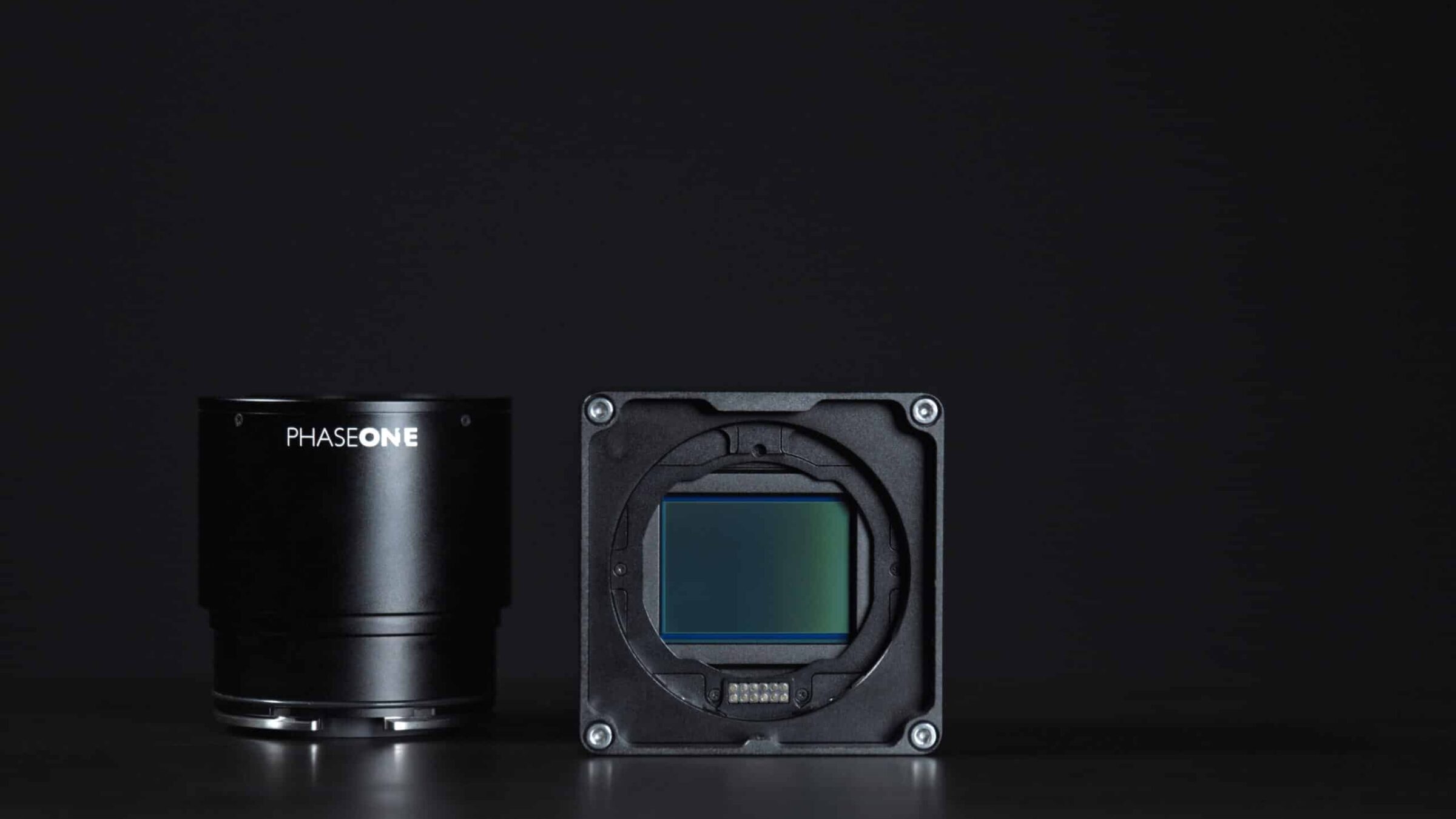
Fusion Shutter™
Eliminating shutter tradeoffs at extreme speeds
Why shutter technology is the limiting factor
As aerial imaging pushes toward higher speeds, higher resolutions, and more demanding mission profiles, shutter technology increasingly becomes the bottleneck. Traditional electronic and mechanical shutter approaches each introduce limitations that impact image integrity, reliability, and system longevity.
Fusion Shutter™ was developed to overcome these limitations.
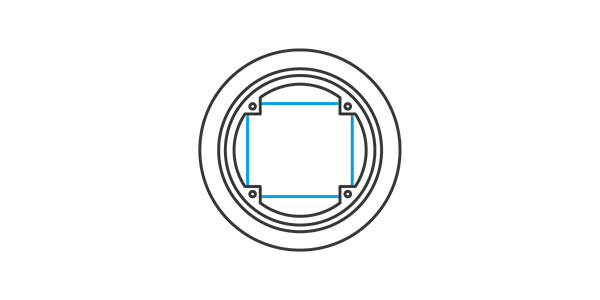
Why speed and resolution expose shutter limitations
High-speed, sub-centimeter GSD imaging places significant demands on the shutter system, particularly in high-contrast scenes and dynamic lighting conditions. Under these conditions, shutter behavior directly impacts:
- motion artifacts
- image distortion
- parasitic light sensitivity (PLS)
- mechanical wear and system lifetime
As a result, shutter technology — not sensor resolution — often becomes the limiting factor when pushing the boundaries of high-speed, sub-centimeter GSD imaging.
The limits of existing shutter approaches
Electronic global shutters enable extreme shutter speeds — but introduce new challenges
Electronic global shutter sensors expose all pixels simultaneously, making them well suited for motion-heavy applications. However, at extreme shutter speeds, residual light sensitivity can introduce parasitic light effects that degrade image quality.
At the highest speeds, electronic global shutter alone is not always sufficient to guarantee artifact-free images.
Mechanical leaf shutters offer precision, but at a cost
Mechanical leaf shutters provide precise exposure control and excellent motion performance. However, because they rely on physical movement, they introduce inherent limitations:
- finite shutter speeds
- mechanical wear over time
Traditional solutions force trade-offs between speed, lifetime, and image integrity.
Fusion Shutter™ — combining the strengths of electronic and mechanical shutters
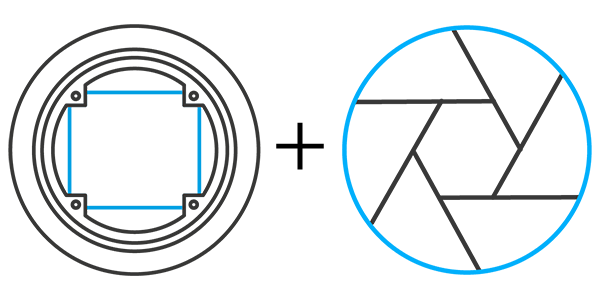
Fusion Shutter™ technology combines:
- an electronic global shutter to end exposure instantaneously across all sensor lines
- a mechanical leaf shutter used only to block parasitic light during sensor read-out
By separating these roles, Fusion Shutter™ removes the need for the mechanical shutter to act as the exposure-ending element.
This approach eliminates long-standing compromises found in traditional shutter designs.
What makes Fusion Shutter™ different
Instant exposure termination
The electronic global shutter ends exposure simultaneously across the entire sensor, ensuring motion-free capture.
PLS elimination at extreme speeds
The mechanical shutter blocks residual light during read-out, eliminating parasitic light sensitivity artifacts.
Reduced mechanical wear
Because the shutter no longer needs to close at maximum speed to end exposure, wear and tear on mechanical components is significantly reduced.
Consistent performance in demanding scenarios
Fusion Shutter™ enables reliable, repeatable performance even at extreme shutter speeds and in high-contrast scenes.
Demonstrated elimination of parasitic light effects
At extreme shutter speeds, parasitic light sensitivity can introduce visible artifacts in electronic global shutter systems.
Using a controlled high-contrast test scenario, Fusion Shutter™ demonstrates complete elimination of PLS effects — even at the highest shutter speeds — while maintaining image integrity and consistency.
Designed for the next generation of aerial imaging
By removing shutter-related tradeoffs, Fusion Shutter™ enables:
- higher-speed capture without image degradation
- new flight profiles and acquisition strategies
- improved data reliability for demanding applications
This opens the door to advanced imaging missions without compromising quality, synchronization, or system longevity.
Get in touch
Have questions or want to learn more about our digital imaging solutions? Contact us to speak with a Phase One expert.