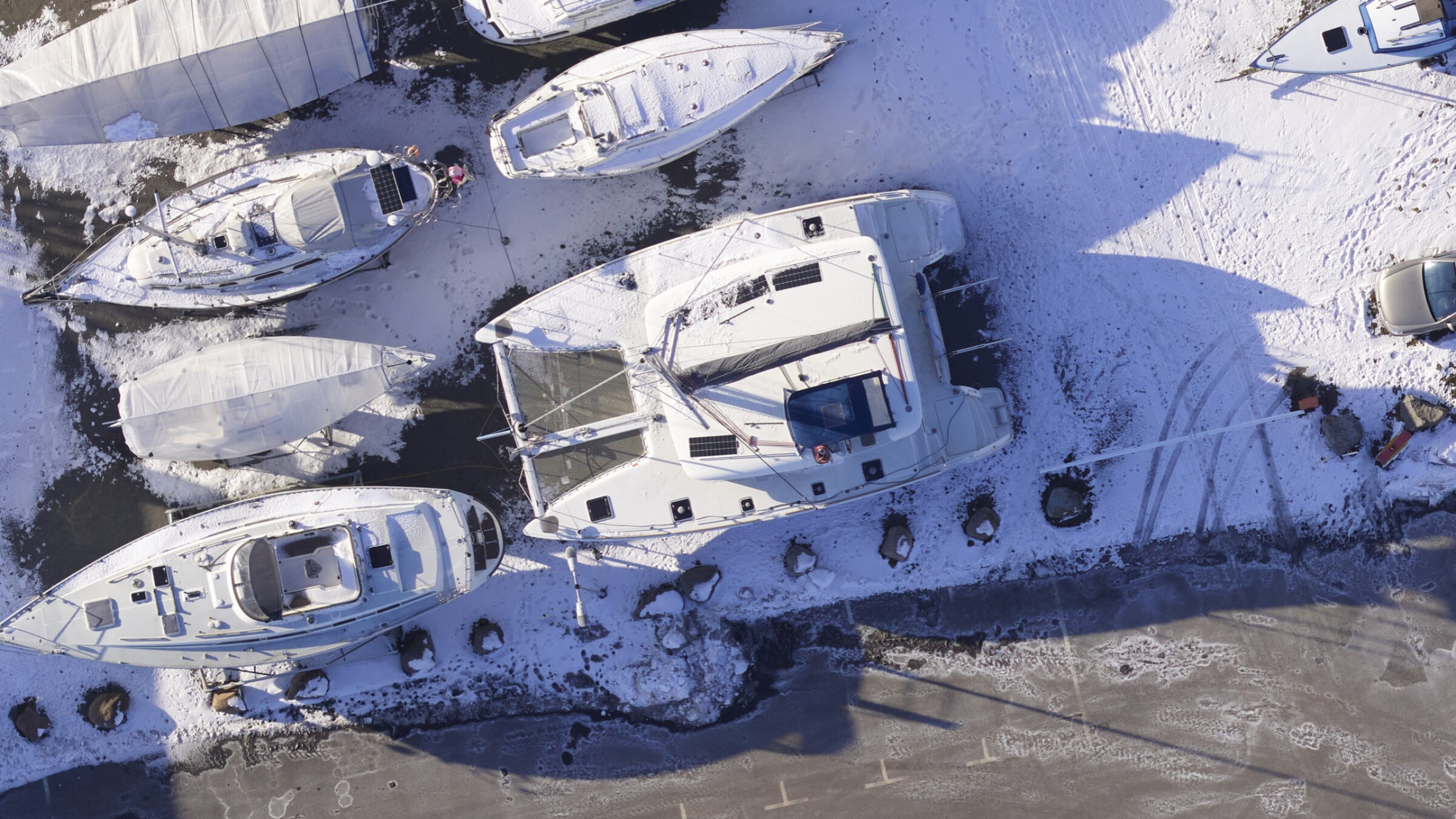
Motion happens. Sharpness stays.
Hybrid Motion Compensation
Motion happens. Sharpness stays.
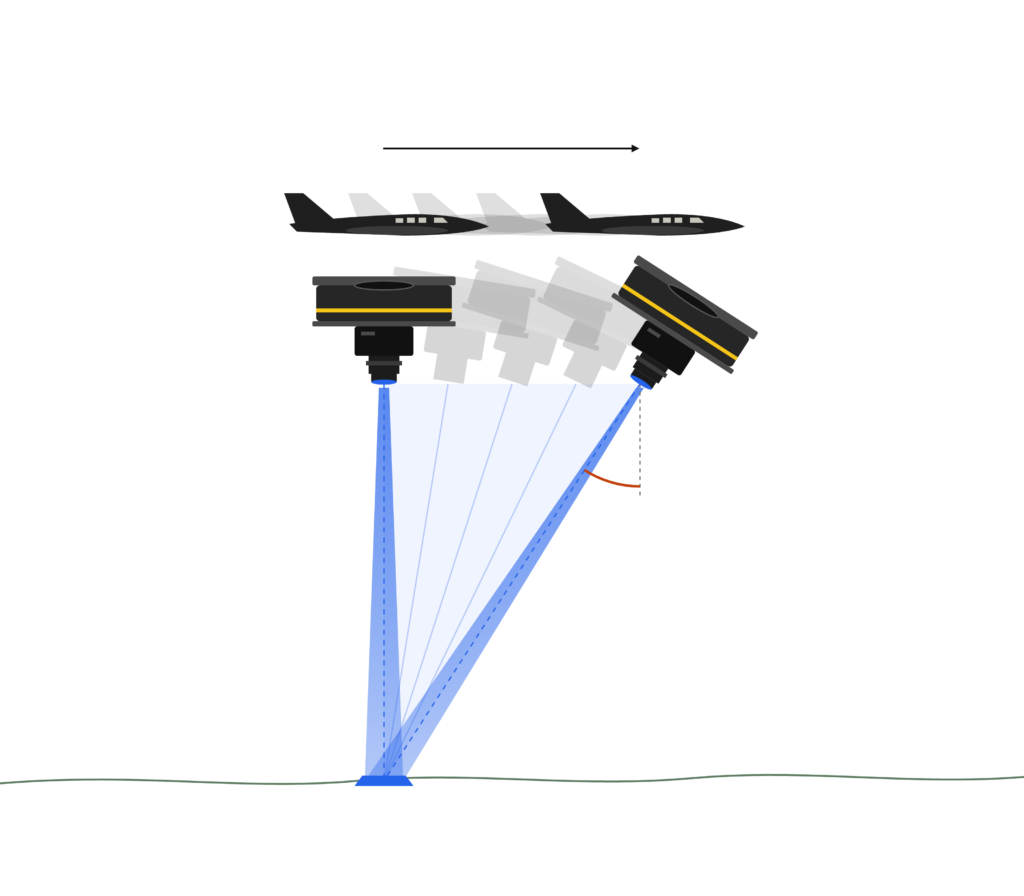
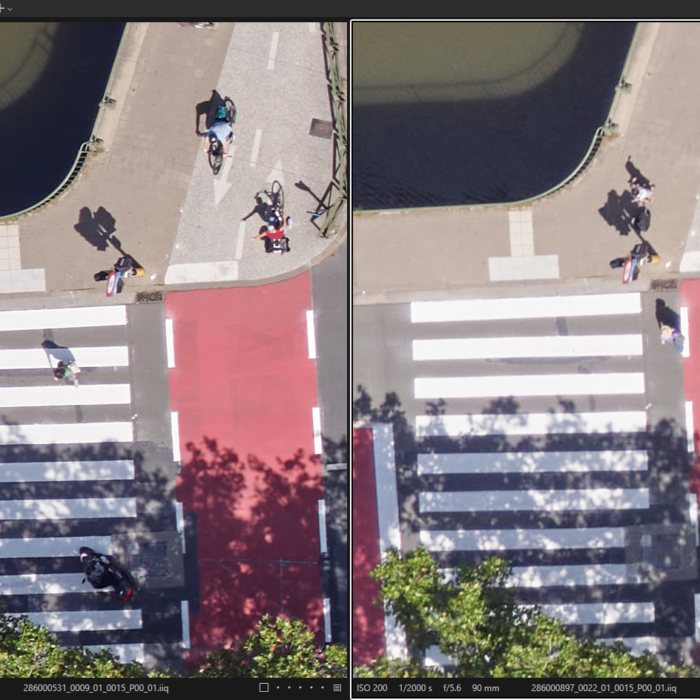
Hybrid Motion Compensation combines mechanical FMC with ultra-short exposure to eliminate both forward motion blur and residual aircraft motion.
Airborne mapping rarely takes place under perfect flight conditions. Hybrid Motion Compensation (HMC) combines mechanical Forward Motion Compensation (FMC) with ultra-short exposure times to maintain consistently sharp imagery across a wide range of flight conditions. Operators gain greater flexibility to capture high-quality data while reducing the risk of motion-related image degradation.
Ultra-high-resolution imagery at maximum sharpness
Ultra-high-resolution imagery — down to sub-centimeter GSD — from any airborne platform at highest sharpness level.
Fly longer throughout the day and across the season
Hybrid Motion Compensation (HMC) maintains sharp imagery in challenging light and conditions, expanding operational flying windows.
Bring advanced motion compensation to more systems
Mechanical FMC, once limited to large-format cameras, now available for Phase One / IGI systems with SOMAG gyro-stabilized mounts.
Optimize every mission with confidence
Adjust exposure for speed, altitude, and lighting while HMC reduces blur risk and costly reflights.
The challenge
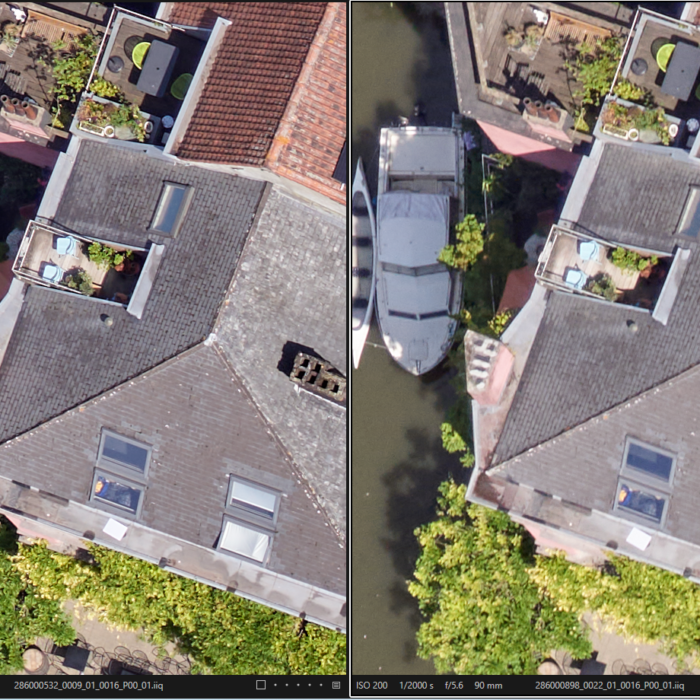
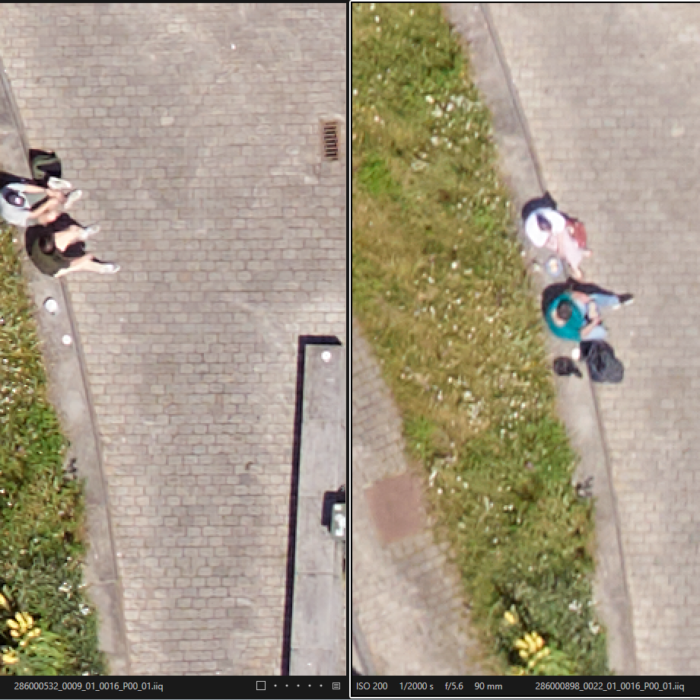
Airborne data acquisition is often affected by aircraft motion, turbulence, changing lighting conditions, and dynamic flight profiles. These factors can introduce image blur, reduce dataset consistency, and increase operational risk.
The solution
Hybrid Motion Compensation combines mechanical Forward Motion Compensation with ultra-short exposure times to minimize both predictable forward motion and residual aircraft motion. The result is cleaner frames, higher image sharpness, and more reliable photogrammetric outcomes across a wider range of operating conditions.
Applications
Aerial mapping
Capture consistently sharp imagery required for demanding mapping projects.
High-resolution surveying
Maintain image quality across a wide range of flight conditions and mission requirements.
Large-area data acquisition
Increase productive flight hours while maintaining reliable image quality.
Precision photogrammetry
Improve dataset consistency and support reliable photogrammetric results.
Ready to achieve consistently sharper airborne imagery?
Hybrid Motion Compensation helps operators maintain image quality across a wider range of flight conditions while increasing operational flexibility and confidence.
Contact us to speak with a Phase One expert.