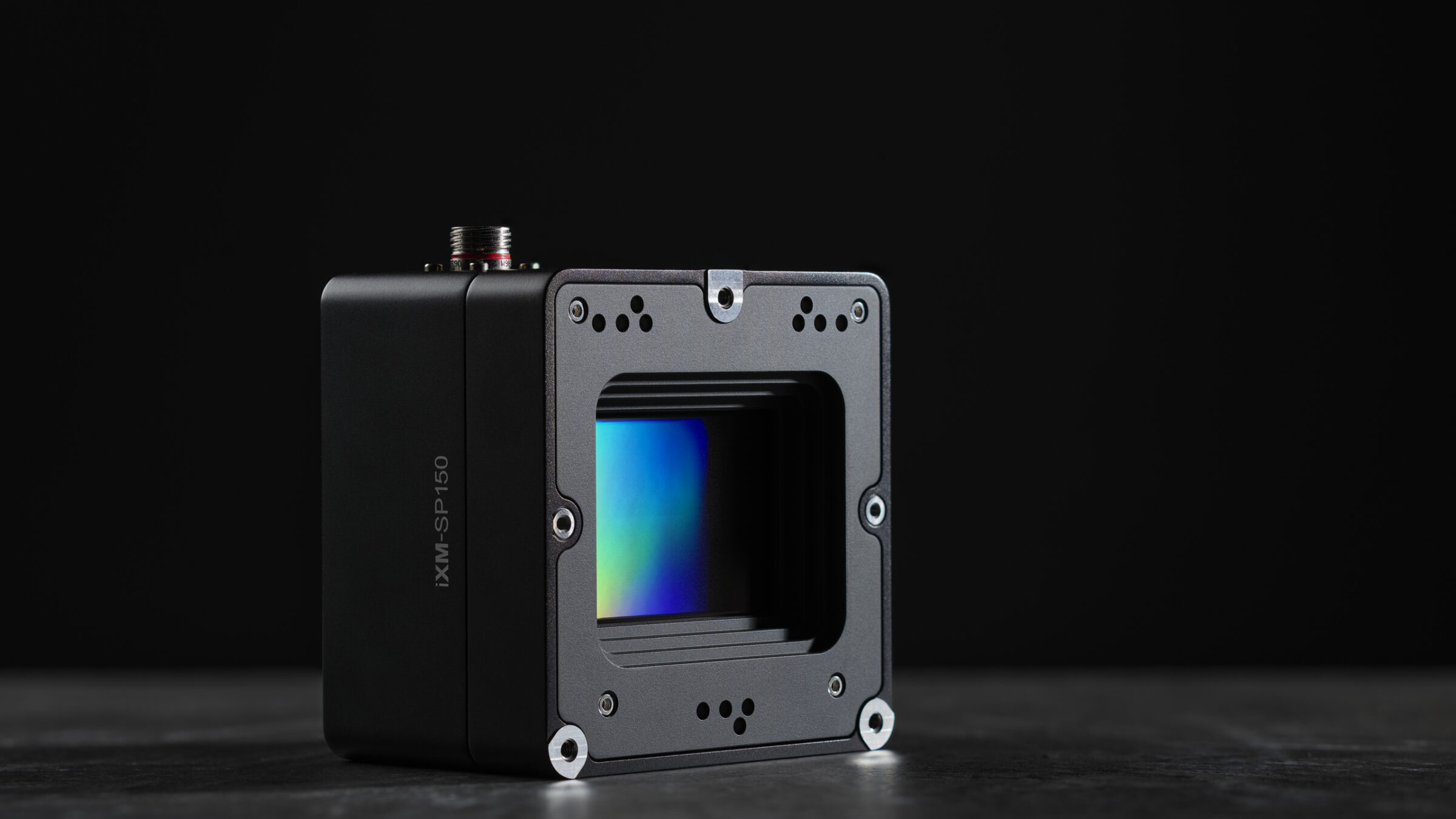
iXM-SP150 Space Imaging
Phase One space hardened camera
Flight-proven space imaging technology
The iXM-SP150 builds on Phase One’s proven space imaging heritage as the first commercially deployed large-format matrix sensor camera platform in orbit. Developed for long-duration Earth observation missions, the camera combines proven flight heritage with the widest matrix sensor available, very high resolution, low read noise, rapid image acquisition, and exceptional image quality in a compact, space-hardened design.
The iXM-SP150 is designed for demanding Low Earth Orbit missions where image quality, imaging efficiency, and long-term reliability are critical. The camera is proposed for five-year Earth observation missions and has been operating in orbit since mid-2022.
Key benefits
Collect more data in orbit
- 4,200 pixels in line enables wide imaging swath
- Fine pixel pitch supports very high ground resolution
- Superior imaging accuracy with 10,650-line matrix sensor
- Fast acquisition rate with full-frame capture in 162 milliseconds
- High signal-to-noise ratio
- High dynamic range
High resolution, 150MP Snapshot matrix camera
- TRL 9 achieved in early 2025
- Built with space-hardened components
- Fully qualified for 5-year missions in Low Earth Orbit
- In-camera FDIR system automatically recovers from single-event upsets
- Designed for long-term operational Earth observation missions
Straightforward integration
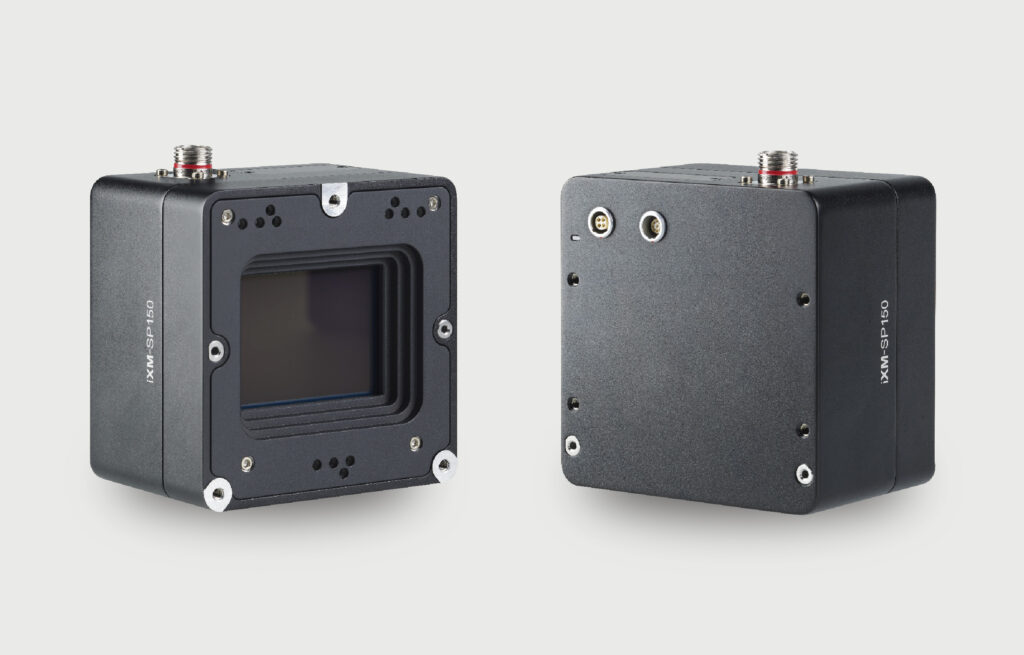
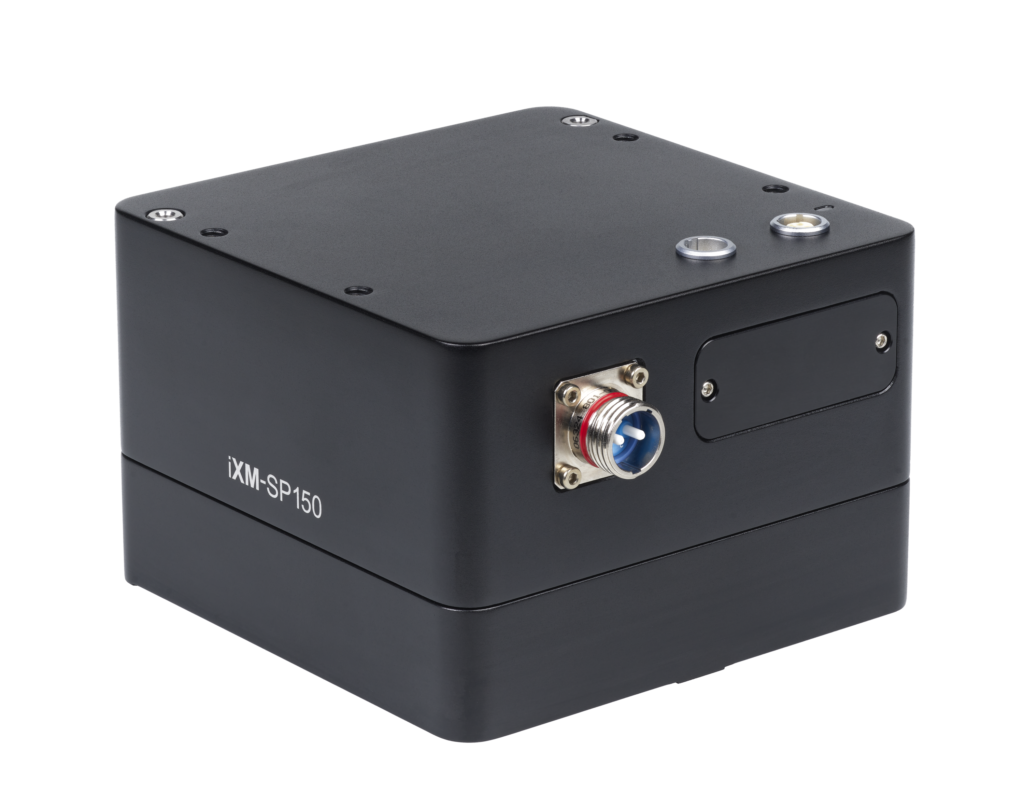
- Sensor unit and control electronics integrated into a single enclosure
- Ethernet 10G fibre-optic hardware interface
- Built-in redundancy for mission reliability
- Full software interface through the Phase One SDK
- Low SWaP design simplifies spacecraft integration
-
Collect more data in orbit
Collect more data in orbit
- 4,200 pixels in line enables wide imaging swath
- Fine pixel pitch supports very high ground resolution
- Superior imaging accuracy with 10,650-line matrix sensor
- Fast acquisition rate with full-frame capture in 162 milliseconds
- High signal-to-noise ratio
- High dynamic range
-
Proven for use in Low Earth Orbit
High resolution, 150MP Snapshot matrix camera
- TRL 9 achieved in early 2025
- Built with space-hardened components
- Fully qualified for 5-year missions in Low Earth Orbit
- In-camera FDIR system automatically recovers from single-event upsets
- Designed for long-term operational Earth observation missions
-
Straightforward integration
Straightforward integration
- Sensor unit and control electronics integrated into a single enclosure
- Ethernet 10G fibre-optic hardware interface
- Built-in redundancy for mission reliability
- Full software interface through the Phase One SDK
- Low SWaP design simplifies spacecraft integration
Earth observation
The iXM-SP150’s wide-format sensor and high frame rate are well suited to LEO Earth observation missions where maximum area coverage per orbital pass is a primary mission requirement.
How does a satellite camera system work?
A satellite camera system works by capturing images of Earth from orbit using high-resolution sensors. These cameras are designed to operate in extreme space conditions, ensuring consistent and accurate image capture. The data collected is transmitted to Earth, where it is processed and analyzed for various applications.
iXM-SP150 space camera benefits
The iXM-SP150 space camera offers superior image quality, durability, and flexibility. It’s designed to withstand the harsh environment of space, providing consistent, high-resolution imagery for applications such as environmental monitoring, mapping, and defense.
Satellite surveillance applications
The iXM-SP150 is ideal for satellite surveillance applications, offering high-resolution imaging capabilities that support detailed Earth observation, monitoring environmental changes, and aiding in defense operations.
Technical Specifications
iXM-SP150
Imaging Specifications
Sensor model
Sony IMX411
Sensor model
Sony IMX411
Sensor type
Back-Illuminated CMOS (BSI)
Sensor type
Back-Illuminated CMOS (BSI)
Color variants
Achromatic, Bayer color
Color variants
Achromatic, Bayer color
Resolution
14,204 x 10,652 pixels (150MP)
Resolution
14,204 x 10,652 pixels (150MP)
Pixel size
3.76 μm
Pixel size
3.76 μm
Sensor size
53.4 mm x 40 mm
Sensor size
53.4 mm x 40 mm
Pixel depth
16-bit , 14-bit , 12-bit
Pixel depth
16-bit , 14-bit , 12-bit
Full well capacity
50,000 e-
Full well capacity
50,000 e-
Dark current
1.2 e-/s @ 40°C
Dark current
1.2 e-/s @ 40°C
Read noise
3.4 e-
Read noise
3.4 e-
Full sensor integration time
14-bit: 225 ms / 12-bit: 170 ms
Full sensor integration time
14-bit: 225 ms / 12-bit: 170 ms
Min. exposure time
0.25 ms
Min. exposure time
0.25 ms
Dynamic range
83 dB
Dynamic range
83 dB
Capture rate
Up to 4 fps (dependent on image size and compression used)
Capture rate
Up to 4 fps (dependent on image size and compression used)
System Specifications
Metadata
Embedded in image file
Metadata
Embedded in image file
Interface (data & control)
10GigE over fiber optic
Interface (data & control)
10GigE over fiber optic
Image buffer size
3,000 MB
Image buffer size
3,000 MB
Hardware signals
Trigger input, camera status output
Hardware signals
Trigger input, camera status output
Software interface
Phase One SDK over Linux
Software interface
Phase One SDK over Linux
Power supply
15 V DC
Power supply
15 V DC
Max. power consumption
17 W
Max. power consumption
17 W
Mass
865 g
Mass
865 g
Dimensions
100 mm x 100 mm x 67 mm
Dimensions
100 mm x 100 mm x 67 mm
Min. exposure time
0.25 ms
Min. exposure time
0.25 ms
Thermal interface
Cold plate
Thermal interface
Cold plate
Environmental Specifications
Operating temperature range
-10°C to +40°C (camera body)
Operating temperature range
-10°C to +40°C (camera body)
Survival temperature range
-30°C to +65°C (camera body)
Survival temperature range
-30°C to +65°C (camera body)
Additional benefits and features
Camera control and Image processing SDK, Ready for remote update, redundant operating system, lightweight and compact, Low power consumption
Camera control and Image processing SDK, Ready for remote update, redundant operating system, lightweight and compact, Low power consumption
Radiation hardening
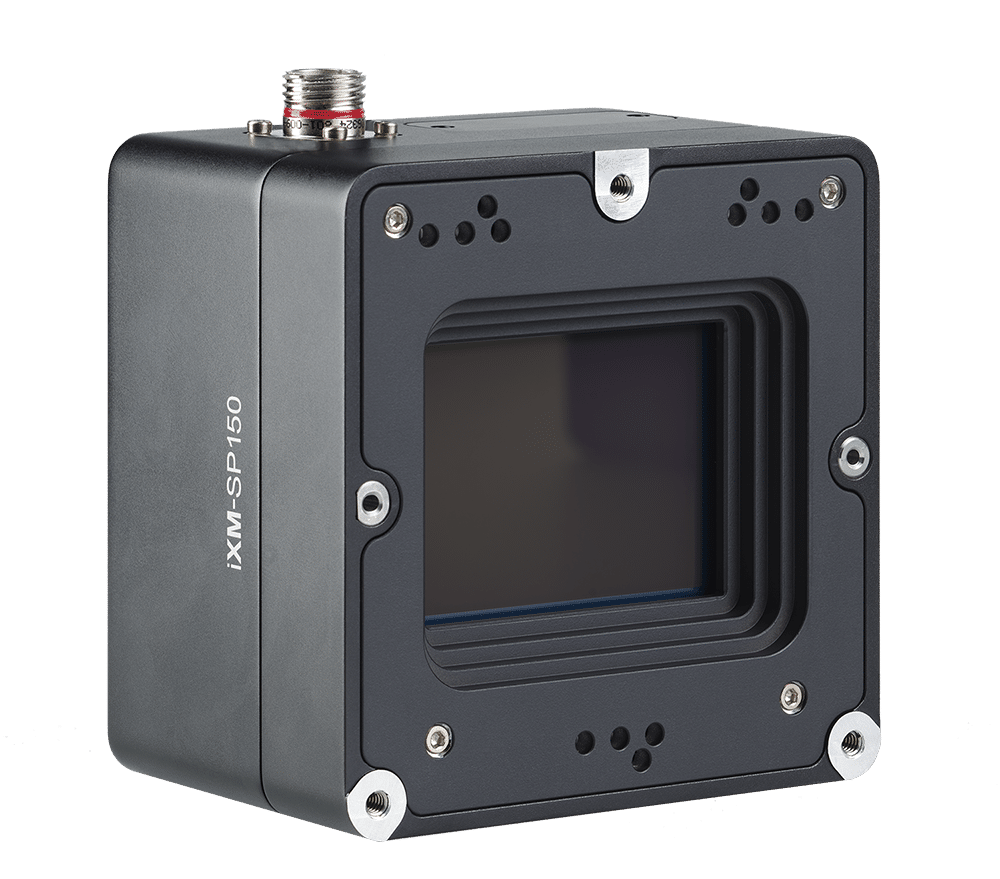
The iXM-SP150 uses a mixture of COTS and radiation-hardened components. An embedded Fault Detection, Isolation, and Recovery (FDIR) system monitors the imaging electronics in real time and autonomously recovers from single-event upsets caused by cosmic rays and trapped radiation belt particles – without requiring ground segment intervention.
We value the imaging sensor expertise Phase One has provided to our space solutions. We see their newest product, the high resolution large format iXM-SP150 camera, having a major impact on LEO earth observation missions and other spaceflight applications.
Matthew Mangione
Remote Sensing Business Lead - ARKA Danbury
Contact a Phase One Space Imaging Company Expert
If you would like to learn more about the iXM-SP150, our experts are eager to help! Contact Us.